From expat to citizen: Dutch citizenship, naturalisation and dual nationality explained
Many internationals build their lives in the Netherlands and eventually want to make it permanent. Dutch citizenship offers security, EU mobility, and the right to vote. This guide explains how to become a Dutch citizen. It covers the rules that naturalisation Netherlands applies. It also shows where dual nationality Netherlands allows exceptions. Finally, it shows how Octagon supports talent across the full relocation journey.
What is Dutch citizenship?
Dutch citizenship is full legal membership of the Netherlands. It gives you a Dutch passport, free movement across the EU, and voting rights in national elections. Moreover, it removes the need to renew residence permits. For long-term residents, Dutch citizenship turns temporary status into lasting security.
Therefore, many expats see it as the natural final step after years of working and living here. Because the rules are strict, careful preparation matters.
Citizenship also brings practical gains. You can live and work in any EU country without extra permits. In addition, you gain full access to roles that require a Dutch passport. Children of Dutch citizens usually inherit the nationality too. For families, this stability often outweighs the effort of the process.
How to become a Dutch citizen: your two main routes for Dutch citizenship
There are two main ways to get a Dutch citizenship: naturalisation and the option procedure. Naturalisation suits most internationals after several years of residence. The option procedure is faster, yet it serves only specific groups. So the right route depends on your background and time in the country.
| Route | Who it suits | Typical timeline | Renounce nationality? |
| Naturalisation | Residents after five years, or three with a Dutch partner | Up to 12 months | Usually yes, with exceptions |
| Option procedure | People born in the Netherlands and other specific groups | About three months | No |
Before you choose, weigh your residence history against your goals. The option procedure is cheaper and faster when you qualify. Otherwise, naturalisation remains the standard path for most working expats.
What are the requirements for naturalisation in the Netherlands?
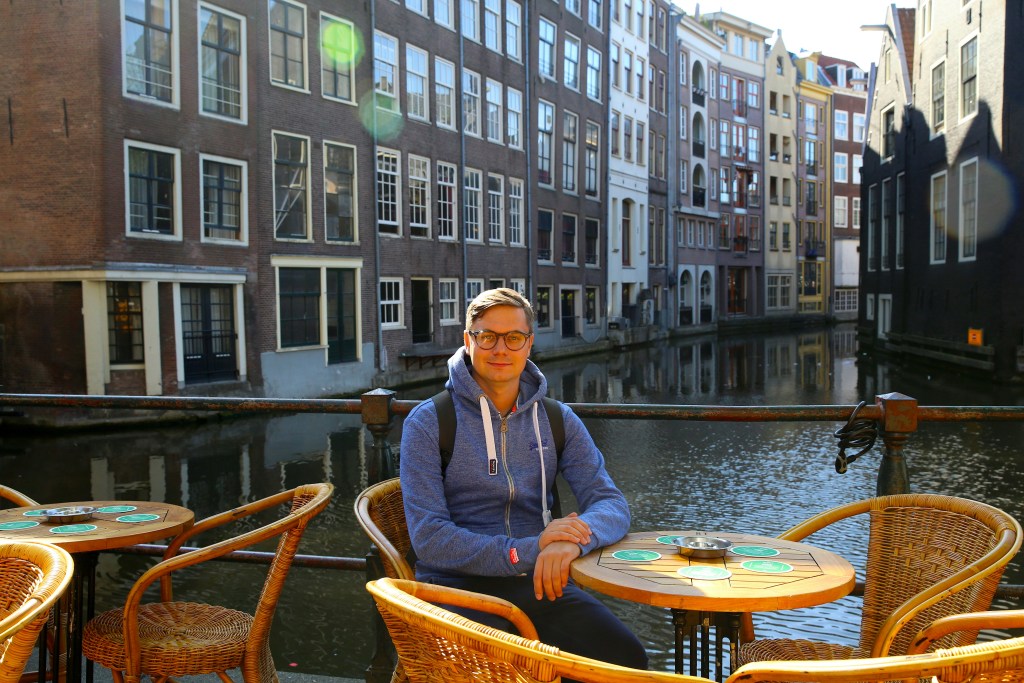
To qualify for this path of getting your Expat sitting next to an Amsterdam canal representing Dutch citizenship, naturalisation in the Netherlands sets clear conditions. You must be 18 or older and hold a valid residence permit. Furthermore, you need at least five years of continuous, legal residence. You must also pass the civic integration exam and pose no threat to public order. The main requirements for naturalisation in the Netherlands include:
- Five years of continuous legal residence, or three years if you live with a Dutch spouse or registered partner.
- Age 18 or older, with a valid residence permit.
- Proof of your identity and nationality.
- A passed civic integration exam. The language level is currently A2, though a planned rise to B1 will apply to applications later in 2026.
- No recent criminal record and no threat to public order.
- Willingness to renounce your other nationality, unless an exception applies.
In early 2026, the government dropped a plan to extend residence to ten years. Therefore, the five-year rule still applies. Because requirements shift, always confirm the current standard with the IND.
Dutch citizenship: Can you keep dual nationality in the Netherlands?
Sometimes, yes. The Netherlands limits dual nationality Netherlands and usually asks new citizens to renounce their former nationality. However, many exceptions exist. For example, you keep both passports if you marry a Dutch national. The same is true if your home country forbids renunciation. The option procedure also lets you keep your old nationality.
Common exceptions to the renunciation rule include:
- You are married to, or the registered partner of, a Dutch citizen.
- You were born in the Netherlands and still live there.
- Your country of origin does not allow renunciation, such as Morocco.
- You hold recognised refugee status in the Netherlands.
- You acquire Dutch citizenship through the option procedure.
How long does naturalisation take and what does it cost?
Naturalisation usually takes up to twelve months from Dutch citizenship application to decision. First, the municipality receives your request. Then the IND assesses it and prepares a Royal Decree. The option procedure is quicker, often around three months, because municipalities handle it directly.
As of 2026, the state fee is €1,091 for a single applicant and €1,393 for a couple. The option procedure costs €231. These are official government fees, not service charges, and they can change each year.
How Octagon supports your relocation lifecycle
Dutch citizenship is the final step in a long relocation journey. That journey starts with the right visa, a compliant contract, and continuous legal residence. Octagon Professionals supports talent across this full lifecycle. As a recognised IND sponsor, Octagon helps employers secure highly skilled migrant visas and residence permits quickly.
Through its employer of record and payroll services, Octagon removes compliance risk, reduces administrative burden, and ensures full transparency. Meanwhile, employers keep complete control over salary, benefits, and working arrangements. For tailored guidance on residence permits or relocation, Octagon’s consultancy team can help, contact Octagon Professionals. Because citizenship rules change often, always confirm current requirements with the IND before you apply.
Frequently asked questions
How many years do you need to live in the Netherlands to get citizenship?
Most applicants need five continuous years of legal residence before applying for naturalisation. If you live with a Dutch spouse or registered partner, three years is enough. A 2026 plan to extend this to ten years was dropped, so the five-year rule still stands.
Does the Netherlands allow dual nationality?
The Netherlands limits dual nationality and usually requires new citizens to give up their old passport. Yet many exceptions apply. You can often keep both passports if you marry a Dutch citizen. The option route also helps. The same applies if your country forbids renunciation.
What is the difference between naturalisation and the option procedure?
Naturalisation is the standard route for residents after several years, and the IND decides within twelve months. The option procedure is faster, taking around three months through your municipality. It serves only specific groups for getting Expat sitting next to an Amsterdam canal representing Dutch citizenship, such as people born in the Netherlands, and rarely requires renouncing your nationality.
Do I need to pass a language test for Dutch citizenship?
Yes. You must pass the civic integration exam, which tests Dutch language and knowledge of society. The current language level is A2. The government plans to raise this to B1 later in 2026. So check the IND for the latest standard.
How much does it cost to get a Dutch citizenship?
Government fees apply on top of any advice you seek. In 2026, naturalisation costs €1,091 for one applicant and €1,393 for a couple. The option procedure is cheaper, at €231. These figures are official state fees and can change each year.
Tags
Need expert guidance?
Our team of HR, legal, and compliance specialists can help you manage Dutch employment complexity.