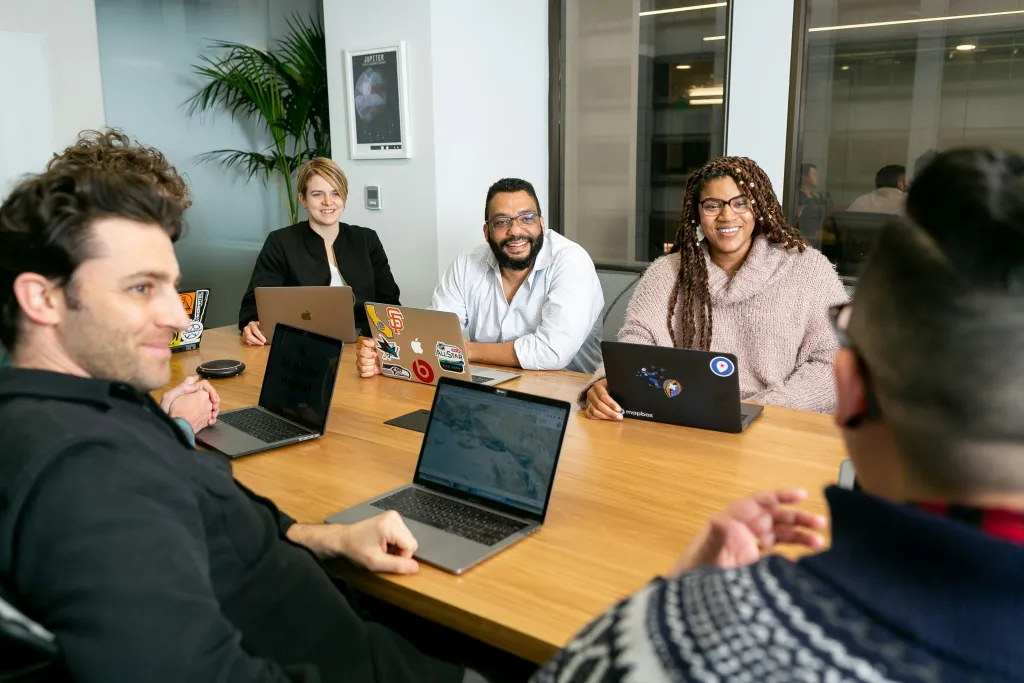
Social cohesion has become one of the most defining challenges for modern workplaces. As organisations navigate diverse teams, hybrid settings, and rising expectations for inclusion, the ability to create environments where people feel safe, valued, and connected matters more than ever. When social cohesion guides daily behaviour, teams listen more carefully, collaborate more openly, and build the trust that supports long-term organisational wellbeing.
Social Cohesion and the Foundations of Workplace Belonging
Strong social cohesion grows when people experience fairness, psychological safety, and a sense of genuine welcome. It emerges not from policies alone but from everyday interactions: colleagues who listen, managers who show clarity and respect, and teams that treat differences as strengths rather than friction points.
When organisations invest in the interpersonal side of work, employees experience belonging more tangibly. They feel that their voice matters, and they approach collaboration with confidence. Over time, this reinforces a healthier team climate where people can challenge ideas, learn from mistakes, and support one another without fear of judgment.
Why Psychological Safety Needs Social Cohesion
Psychological safety does not grow through instructions or compliance. It develops when people feel connected enough to speak openly, listen attentively, and take interpersonal risks without fear. Social cohesion provides that foundation.
EU research reinforces this point: the European Company Survey 2019 from Eurofound and Cedefop shows that organisations with strong workplace social dialogue report higher levels of trust, clearer involvement in change, and better perceptions of fairness, with over two-thirds of managers confirming that employee involvement in organisational change creates a competitive advantage.
These findings echo what many teams experience daily, psychological safety flourishes when cohesive relationships support open dialogue, shared responsibility, and the confidence to contribute without hesitation.
The Role of Everyday Dialogue
Simple, frequent conversations help teams navigate tension before it escalates. Over time, this steady rhythm of dialogue builds a shared understanding of values, expectations, and responsibilities. EU-wide social dialogue research points in the same direction: workplaces with healthy communication structures report stronger trust, better involvement in organisational change, and clearer perceptions of fairness. These findings echo what many teams already experience: connection improves both wellbeing and performance.
Social Cohesion as a Driver of Inclusive Collaboration
Inclusive collaboration requires more than shared tasks. It requires a shared culture. When social cohesion becomes part of that culture, people recognise each other’s strengths and understand differences with greater nuance. They speak with confidence, not caution, and they support equitable participation across roles and backgrounds.
This matters especially in multicultural workplaces, such as those across Brussels and other institutional hubs, where small misunderstandings can quickly undermine trust if left unaddressed. Social cohesion offers a framework for navigating linguistic, cultural, and professional differences with clarity and respect.
Cultural Understanding Strengthens Team Connection
Teams thrive when colleagues understand not only what others do, but the cultural lenses through which they work. Training that strengthens cultural awareness helps people form deeper connections, reduce unintentional friction, and communicate more effectively. The long-standing work of Walk of Truth, which brings people together through cultural protection and dialogue across borders, illustrates how shared understanding can strengthen trust even in complex environments. This philosophy, prioritising human connection and cultural respect, mirrors the behaviours that anchor social cohesion in the workplace.
Building Social Cohesion Through Human-Centred Staff Development
Developing cohesive teams requires intentionality. Human-centred staff development, focused on empathy, interpersonal skills, accountability, and clarity, helps employees embody the values that sustain trust. When people understand how their behaviour influences group dynamics, they navigate challenges with care rather than defensiveness.
For example, training that emphasises active listening helps colleagues recognise subtle cues in conversation. Sessions on emotional intelligence help teams manage conflict with steadier judgment. Practical workshops that simulate real interpersonal scenarios allow people to build both confidence and authenticity, qualities essential for maintaining social cohesion in diverse and high-pressure environments.
Empowered Teams Strengthen Democratic Values
In many public-facing organisations, especially those connected to democratic institutions, cohesive teams play an essential role in modelling transparency, fairness, and inclusion. When staff interact with confidence and empathy, they strengthen public trust. When teams collaborate effectively, they create environments that feel accessible, not distant. Social cohesion becomes more than a workplace concept; it becomes a way to reinforce shared democratic values through everyday behaviour.
Strengthening Trust Through Connected Workplaces
Ultimately, social cohesion helps organisations create workplaces where people feel safe, engaged, and connected. When employees experience belonging, they take part in dialogue more willingly. They support each other during periods of change. They contribute to a culture where trust is not an aspiration but a lived reality.
As more European organisations look to build resilient and inclusive work environments, prioritising social cohesion offers a clear path forward. It strengthens team wellbeing, supports responsible leadership, and reinforces the collaborative spirit that underpins democratic life.
Octagon Professionals supports organisations in developing the human skills that bring social cohesion to life, through training, cultural development, and people-centred expertise grounded in European values.
more news
Global Mobility Services: What Are They, and How Do They Support International Staff?
22-12-25
Global mobility services play a central role in how organisations welcome and support international talent. As more people look for jobs in the Netherlands and opportunities to work in Holland, mobility teams help employees transition smoothly across borders. Their work ...

Statistics on Employee Mental Health and Productivity
22-12-25
Employee wellbeing and mental health are now understood as core drivers of organisational performance, not peripheral concerns. Across Europe and the wider OECD, employee wellbeing statistics consistently show that stress, psychosocial risks, and unfair working conditions directly reduce productivity through ...