
Intercultural Understanding as a Workplace Wellbeing Tool
In every diverse workplace, wellbeing depends on more than policies or programmes. It grows through the quality of our interactions, how we listen, interpret, and respond. This is where intercultural communication at work and intercultural understanding become quiet but powerful contributors to both cooperation and collective wellbeing. When people feel seen and understood, they show up with greater confidence, openness, and trust.
Why Intercultural Understanding Matters for Wellbeing
People with diverse languages, histories, and social expectations shape workplaces. These differences can enrich collaboration but also cause subtle tension if not managed carefully. Misreading cues or relying on assumptions can create friction that presents as hesitation: people withdraw, ideas stay unspoken, and teams miss signals that enable smooth cooperation.
Intercultural understanding helps prevent this quiet erosion of wellbeing. It gives teams the skills to read context, notice intention, and engage with curiosity rather than judgement. In turn, it creates psychological safety, an essential condition for any healthy work environment.
This work mirrors the human-centred approach long championed by initiatives such as Walk of Truth, which emphasises cultural understanding as the basis for respectful dialogue and shared responsibility. In organisational settings, this same principle helps create workplaces where people feel they belong.
How Intercultural Understanding at Work Shapes Cooperation
Intercultural understanding is crucial for every team since every workplace has moments where cultural habits collide, a direct response meets an indirect expectation, or a fast-paced decision style meets a reflective one. These interactions are rarely about personality; they are often about cultural patterning. When teams learn to pause and ask, “What might this behaviour mean in their context?”, misunderstandings shrink, and empathy grows.
This shift encourages colleagues to interpret differences through a lens of respect rather than frustration. Over time, it strengthens trust because people feel that their ways of communicating are recognised rather than corrected.
Listening with More Than Words
Intercultural communication at work is not only about speaking clearly; it is about listening with awareness. Tone, silence, pauses, and formality each carry a different meaning across cultures. Teams that learn to listen for these signals gain a more accurate understanding of each other. As communication becomes smoother, collaboration becomes lighter, and the emotional load on individuals decreases.
This attentive listening is also a pathway to inclusion. When employees feel their full identity is welcomed, not only their job role, they experience a stronger sense of belonging and commitment to shared goals.
Turning Diverse Perspectives Into Collective Strength
Workplace wellbeing is supported by environments where people contribute without fear of being misunderstood or dismissed. Intercultural understanding helps teams translate differences into insight: alternative approaches to problem-solving, varied interpretations of risk, and multiple ways of expressing agreement or disagreement.
When leaders encourage this range of perspectives, cooperation becomes more balanced. Teams move away from a single dominant style and toward shared ownership, where everyone has the confidence to contribute. The result is a more resilient and emotionally grounded workplace.
Embedding Intercultural Understanding Through Staff Development
People need to learn intercultural skills instead of assuming they know everything. Training that blends self-awareness, cultural literacy, and practical communication techniques helps employees interact with more clarity and kindness. This development is particularly valuable in public-facing roles, where each conversation shapes the visitor’s sense of inclusion and trust.
In many European initiatives, frontline staff are expected to embody values of openness, accessibility, and respect. Intercultural understanding makes these values real in daily interactions. It equips staff to welcome every visitor and every colleague with confidence and authenticity.
Strong intercultural communication at work reinforces the values that institutions stand for: fairness, transparency, and democratic participation. When staff can navigate cultural differences with ease, they create environments where individuals feel respected and understood.
This alignment between behaviour and values strengthens institutional trust. It signals that inclusion is not an aspiration but a lived practice.
A Pathway to Healthier, More Connected Workplaces
Intercultural understanding is ultimately a wellbeing tool because it humanises the workplace. It encourages people to move beyond assumptions, build deeper connections, and create a shared space where everyone feels they belong. In teams that embrace cultural awareness, cooperation becomes easier, communication becomes clearer, and trust becomes stronger.
By investing in these human skills, listening, empathy, and cultural literacy, organisations reinforce the foundations of a healthy workplace and contribute to a more inclusive, respectful professional community.
If your organisation is ready to strengthen wellbeing and cooperation through intercultural understanding, contact Octagon Professionals today. Let us partner with you to build these essential capabilities through human-centred talent development and create a workplace where everyone thrives.
Intercultural Understanding as a Workplace Wellbeing Tool
18-12-25
In every diverse workplace, wellbeing depends on more than policies or programmes. It grows through the quality of our interactions, how we listen, interpret, and respond. This is where intercultural communication at work and intercultural understanding become quiet but powerful ...

From Guard to Guardian: Transforming Museum Staff into Inclusive Decision Makers
16-12-25
Across Europe, museums are redefining their role in society, and this shift is especially visible in museum jobs in The Hague, where cultural institutions increasingly operate as civic spaces for dialogue, participation, and belonging rather than silent repositories of objects. ...

King’s Day: what you need to know
22-04-25
Spring has sprung, and the traditional Dutch holiday of ‘King’s Day’ is approaching! King’s Day is April 26th this year. If you don’t know what you should be doing to make the most out of this holiday, then you are ...

The role of HR in supporting neurodiversity in the workplace
16-04-25
In the spirit of Autism awareness month, it is important to bring awareness to the neurodiverse person in the workplace. After all, the workplace as it is today was built for the neurotypical in mind, putting neurodiverse people at a ...

Octagon Report: HR and Hiring in Aerospace
09-04-25
Every sector faces its own, unique challenges when it comes to people management. At Octagon, we have quite a bit of experience working with businesses in the aerospace industry as a result of our long-standing partnership with the European Space ...

Navigate employee activism in an International workplace
26-03-25
Employee activism is more prevalent than ever, driven by a workforce that expects companies to take clear stances on social, political, and environmental issues. With the rise of social media, increased global connectivity, and shifting workplace values, employees are more ...
How to collect and analyse HR data
18-03-25
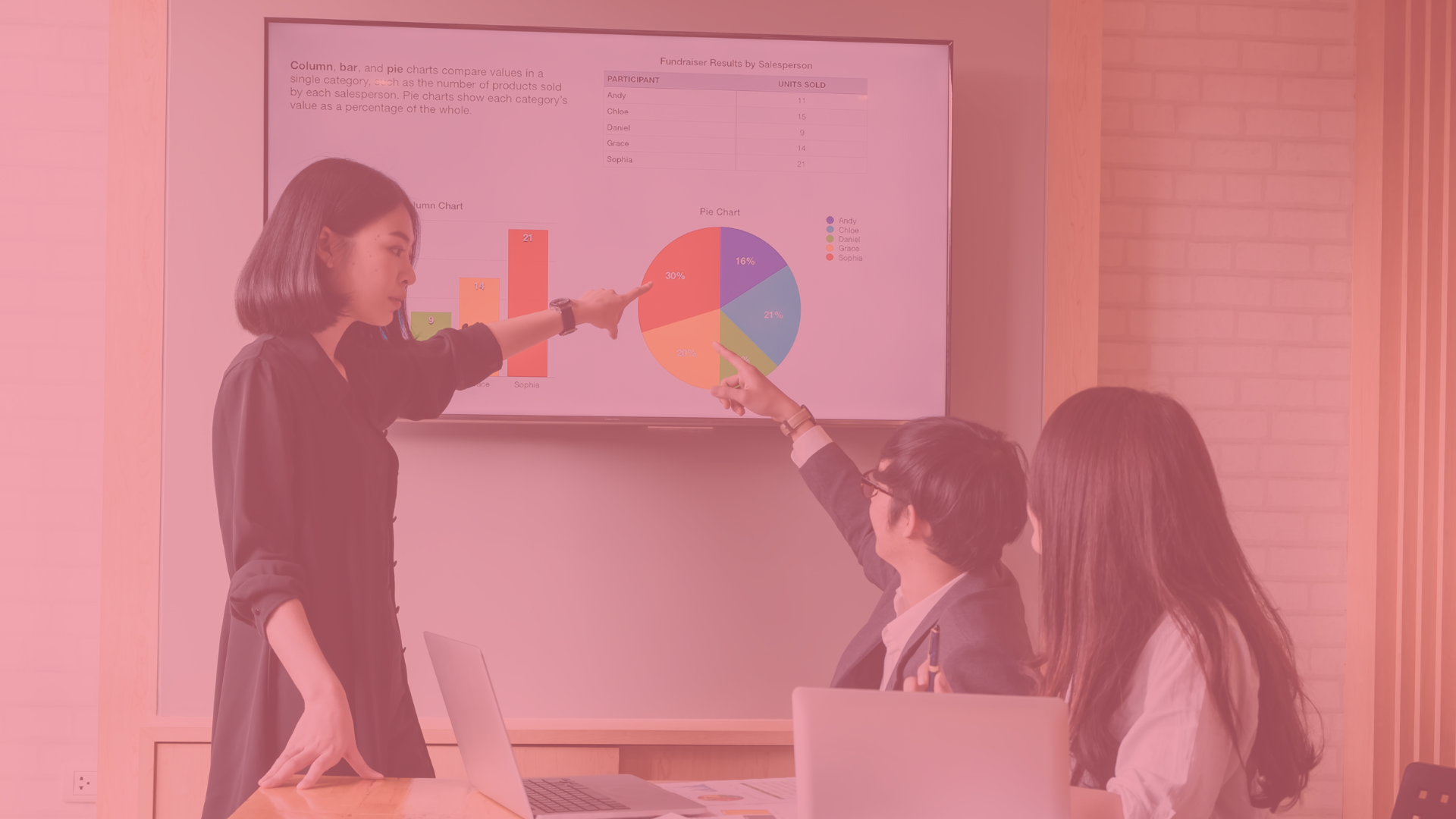
HR data and analytics plays a crucial role in shaping a successful workforce. Collecting and analysing HR data allows organizations to make informed decisions, improve the employee experience, and optimize workforce planning. By leveraging insights from recruitment, performance, and engagement ...

How the definition of DEI is evolving in 2025
03-03-25
The concept of Diversity, Equity, and Inclusion (DEI) is not new. DEI as an organisational framework can be traced as far back as the 1960s as a result of the US Civil Right Act. However, the essence of DEI has ...