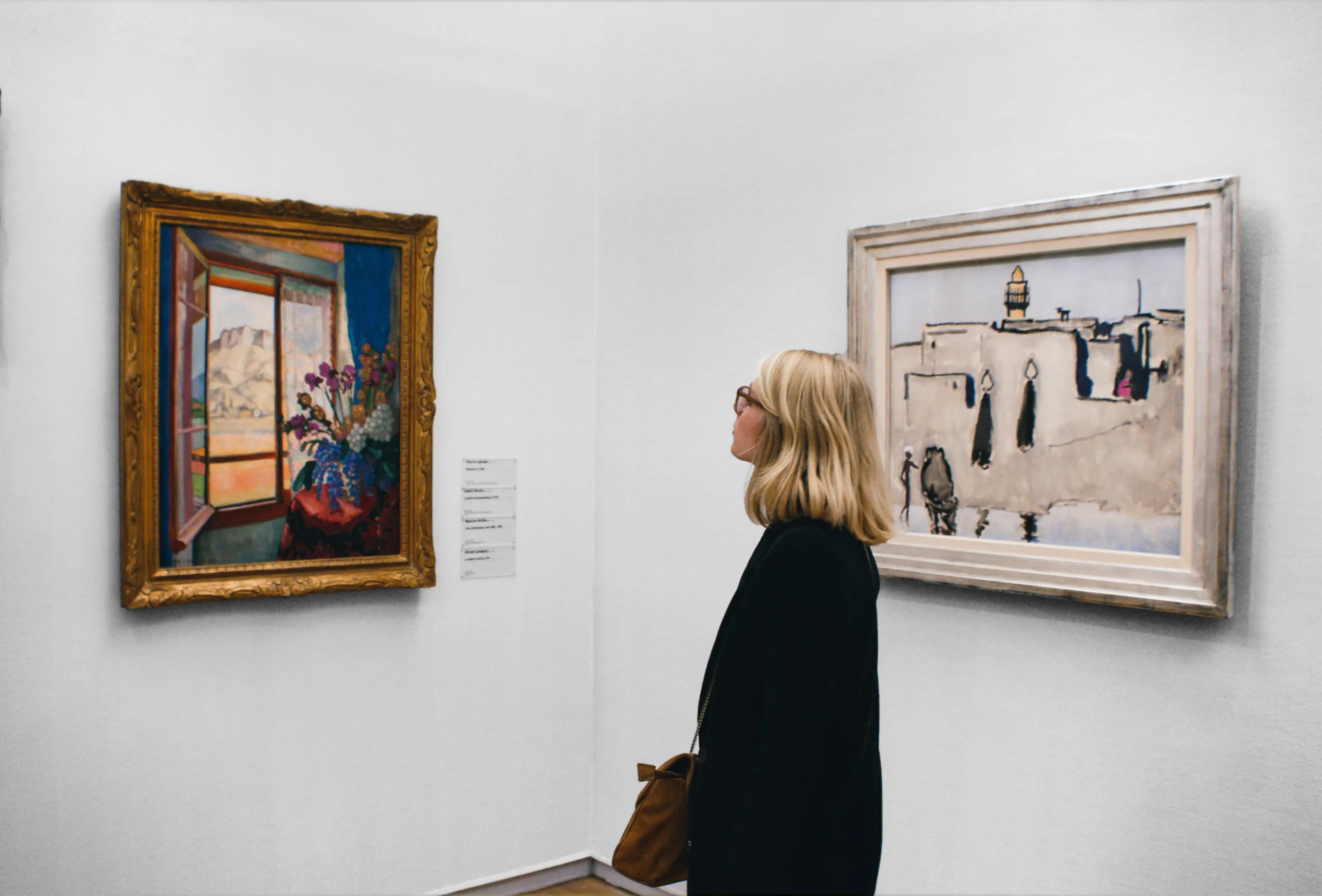
Across Europe, museums are redefining their role in society, and this shift is especially visible in museum jobs in The Hague, where cultural institutions increasingly operate as civic spaces for dialogue, participation, and belonging rather than silent repositories of objects. These changes directly affect museum jobs more broadly, as traditional roles focused on supervision and compliance evolve into positions rooted in listening, inclusion, and shared decision-making.
Museum Jobs and the Changing Role of Cultural Institutions
Museum jobs have historically centred on protection: guarding collections, enforcing rules, and maintaining order. While these functions remain necessary, they no longer define success. Today’s museums are expected to welcome complexity, encourage questions, and reflect multiple perspectives.
As a result, museum staff increasingly act as mediators between heritage and society. They help visitors connect personal experiences with shared histories. In turn, museum jobs demand more than operational efficiency. They require confidence, cultural understanding, and the ability to facilitate meaningful conversations.
Why Museum Jobs Now Demand Inclusive Decision-Making
In modern museums, staff decisions shape the visitor experience at every moment. How a question is answered, how uncertainty is handled, or how a sensitive topic is framed all influence whether visitors feel included or excluded.
Inclusive decision-making means empowering staff to respond thoughtfully rather than rigidly. Museum jobs now involve judgement, empathy, and situational awareness. Staff must balance institutional values with individual needs, often in real time. This shift moves roles away from passive enforcement toward active guardianship of public space.
Museum Jobs in The Hague: A Living Laboratory for Change
The evolution of museum jobs in the Hague illustrates this transition clearly. As one of Europe’s most international cultural cities, The Hague’s museums welcome visitors from every background, language group, and political context.
Here, staff cannot rely on scripted interactions alone. They must navigate cultural differences, varied expectations, and emotionally charged topics. Museum jobs in The Hague increasingly require intercultural competence and psychological safety, both for visitors and for staff themselves.
Recruitment strategies in this context focus less on prior museum experience and more on human skills: listening, adaptability, and ethical awareness. These qualities allow staff to act as inclusive decision makers rather than rule-bound observers.
From Guard to Guardian: The Impact of Heritage-Based Recruitment
Heritage-based recruitment reframes museum jobs around stewardship rather than control. It asks a simple but powerful question: who can best care for shared cultural space?
This approach values candidates who understand heritage as a living process. Guardians do not merely protect objects; they protect dialogue, dignity, and access. They recognise that every visitor interaction contributes to collective memory and civic trust.
By recruiting for mindset and values, museums enable staff to make responsible decisions aligned with institutional missions. Over time, this builds consistency between what museums say and how they behave on the floor.
Training for Dialogue, Not Just Duty
Recruitment alone is not enough. Museum jobs must be supported by continuous training that develops confidence and reflective practice. Staff need space to explore ethical dilemmas, cultural sensitivities, and emotional labour.
Training that prioritises listening and empowerment helps staff move beyond fear of “getting it wrong.” Instead, they learn how to engage openly, acknowledge uncertainty, and invite participation. This is particularly important in museums addressing contested histories or contemporary social issues.
A comparable philosophy can be seen in initiatives such as Walk of Truth, where guided encounters around shared memory emphasise dialogue over instruction. The focus lies on human presence and responsibility rather than scripted narratives. Such approaches demonstrate how staff can embody values through interaction, not authority.
Museum Jobs as Civic Roles, Not Service Positions
When museum jobs are framed as civic roles, staff gain a clearer sense of purpose. They are not simply employees fulfilling tasks but participants in a democratic culture. This perspective supports motivation, accountability, and professional pride.
In inclusive museums, staff act as guardians of access and fairness. They notice who feels welcome and who does not. They adapt language, pace, and tone to ensure understanding. Small decisions, made with care, accumulate into institutional credibility.
In this context, Octagon Professionals is currently hiring for several museum and cultural institution roles in The Hague, including cultural experience specialist, visitor experience host, and team leads, to support inclusive, dialogue-driven public spaces.
Strengthening Trust Through Human-Centred Museum Jobs
The transition from guard to guardian reflects a broader change in how museums understand their social role. By reshaping museum jobs around inclusion, dialogue, and empowered decision-making, institutions strengthen public trust.
In cities like The Hague, museums that invest in heritage-based recruitment and human-centred training position themselves as credible civic actors. They demonstrate that democracy is not only discussed in exhibitions but practised through everyday encounters.
Ultimately, museum jobs that prioritise listening and belonging help transform cultural spaces into shared public ground. In doing so, they contribute quietly but powerfully to confidence in democratic institutions and the values they represent.
At Octagon Professionals, this philosophy informs how we support cultural and public institutions in developing staff who act with confidence, empathy, and responsibility, qualities essential for museums that aim to serve society, not just display it.
more news
King’s Day: what you need to know
22-04-25
Spring has sprung, and the traditional Dutch holiday of ‘King’s Day’ is approaching! King’s Day is April 26th this year. If you don’t know what you should be doing to make the most out of this holiday, then you are ...

The role of HR in supporting neurodiversity in the workplace
16-04-25
In the spirit of Autism awareness month, it is important to bring awareness to the neurodiverse person in the workplace. After all, the workplace as it is today was built for the neurotypical in mind, putting neurodiverse people at a ...